
Identify Your Pest: Wildlife / Intruders

Updated: Jul 9
Moles

Identification: Cylindrical bodies, velvety gray fur, hidden eyes and ears, with massive, paddle-like front claws built for digging.
Behavior and Signs: Volcano-shaped dirt mounds (molehills) and raised surface ridges winding through lawns.
Risk Factor: Uproot lawn turf, destroy garden plant root systems, and create tripping hazards.
Resource: WSU Extension: Living with Moles
Raccoons

Identification: Mask-like black fur around the eyes, stocky gray bodies, and distinctive black-and-gray ringed tails.
Behavior and Signs: Overturned trash cans, torn roof shingles, and heavy scratching noises inside attics or chimneys.
Risk Factor: Primary rabies vector; carry dangerous roundworms (Baylisascaris) in their feces; physically destructive to roofs.
Resource: Washington Department of Fish & Wildlife: Living with Raccoons
Bats

Identification: Winged mammals with dark brown or black fur; small, mouse-like faces with large ears.
Behavior and Signs: High-pitched squeaking or fluttering behind walls; accumulation of crumbly, shiny droppings (guano) in attics.
Risk Factor: High-risk vector for Rabies; bat guano harbors spores that cause Histoplasmosis, a serious lung infection.
Resource: CDC: Bats and Rabies Safety
Snakes (Garter Snakes and Venomous Species)
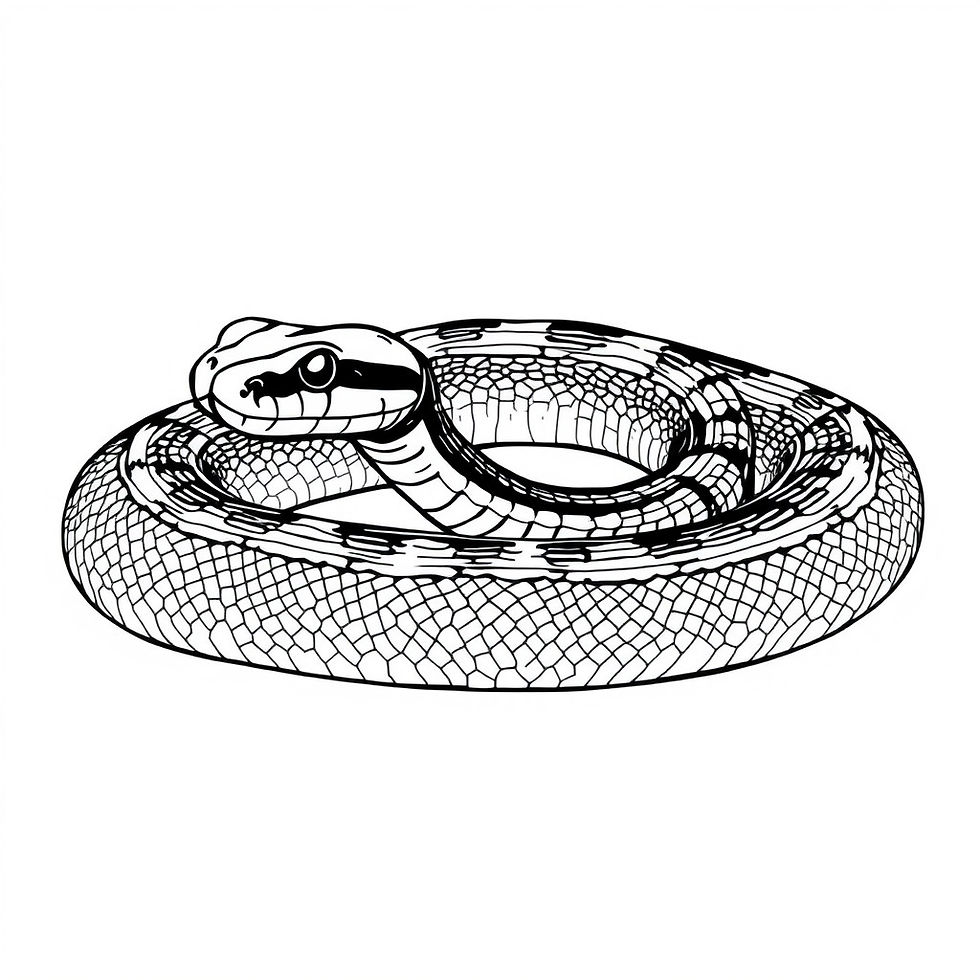
Identification: Legless, elongated reptiles. Most common backyard snakes (like Garter Snakes) are slender with longitudinal yellow stripes. Venomous species like the Western Rattlesnake feature a distinct triangular head, vertical pupils, and a tail rattle.
Behavior and Signs: Found sunning themselves on rocks, patios, and walkways during cool mornings, or hiding under woodpiles, tall grass, and foundation gaps.
Risk Factor: Most local species are completely harmless and beneficial rodent hunters. Venomous species pose a medical emergency if they bite, though they generally avoid human contact unless stepped on or cornered.
Resource: Washington Department of Fish & Wildlife: Living with Snakes or the comprehensive Oregon Department of Fish and Wildlife Living with Wildlife: Snakes guide.

Comments