
Identify Your Pest: Spiders (Pacific Northwest Focus)

Updated: Jul 9
Hobo Spider

Identification: Brown bodies (1/3 to 2/3 inch), hairy legs with no dark bands, chevron patterns on the abdomen.
Behavior and Signs: Build horizontal, funnel-shaped webs in low-lying, damp areas like crawlspaces and woodpiles.
Risk Factor: Despite past myths, their venom is not medically significant to humans; bites cause typical localized swelling.
Resource: Utah State University Extension: Hobo Spiders
Giant House Spider

Identification: Extremely large leg span (up to 4 inches), dark orange-brown color, fast runners.
Behavior and Signs: Frequently found trapped in sinks and bathtubs or running across floors in late summer.
Risk Factor: Harmless to humans; actively hunt and kill smaller household pests, including hobo spiders.
Resource: Burke Museum: Spider Myths (Giant House Spiders)
Orb Weaver Spider
Identification: Large, bulbous abdomens with highly diverse color patterns; often brightly colored or camouflaged.
Behavior and Signs: Spin classic, geometric, wheel-shaped webs across porches, doorways, and garden pathways in autumn.
Risk Factor: Completely docile and beneficial; rarely bite unless physically squeezed.
Resource: Washington State University: Orb Weavers
Yellow Sac Spider
Identification: Small, pale yellow to light green bodies; front legs are notably longer than the others.
Behavior and Signs: Do not spin webs; construct small, silk, tube-like sleeping sacs at the corners of ceilings and walls.
Risk Factor: Account for many indoor spider bites; venom causes a painful, localized, itchy sore that heals slowly.
Resource: Michigan State University Extension: Yellow Sac Spiders
Jumping Spider
Identification: Compact, fuzzy bodies with two massive, central eyes that give them excellent vision; move in sudden jerks.
Behavior and Signs: Active during the day on sunny walls, windowsills, and outdoor railings hunting prey.
Risk Factor: Harmless and non-aggressive; widely considered beneficial garden and home predators.
Resource: University of California IPM: Spiders
Western Black Widow
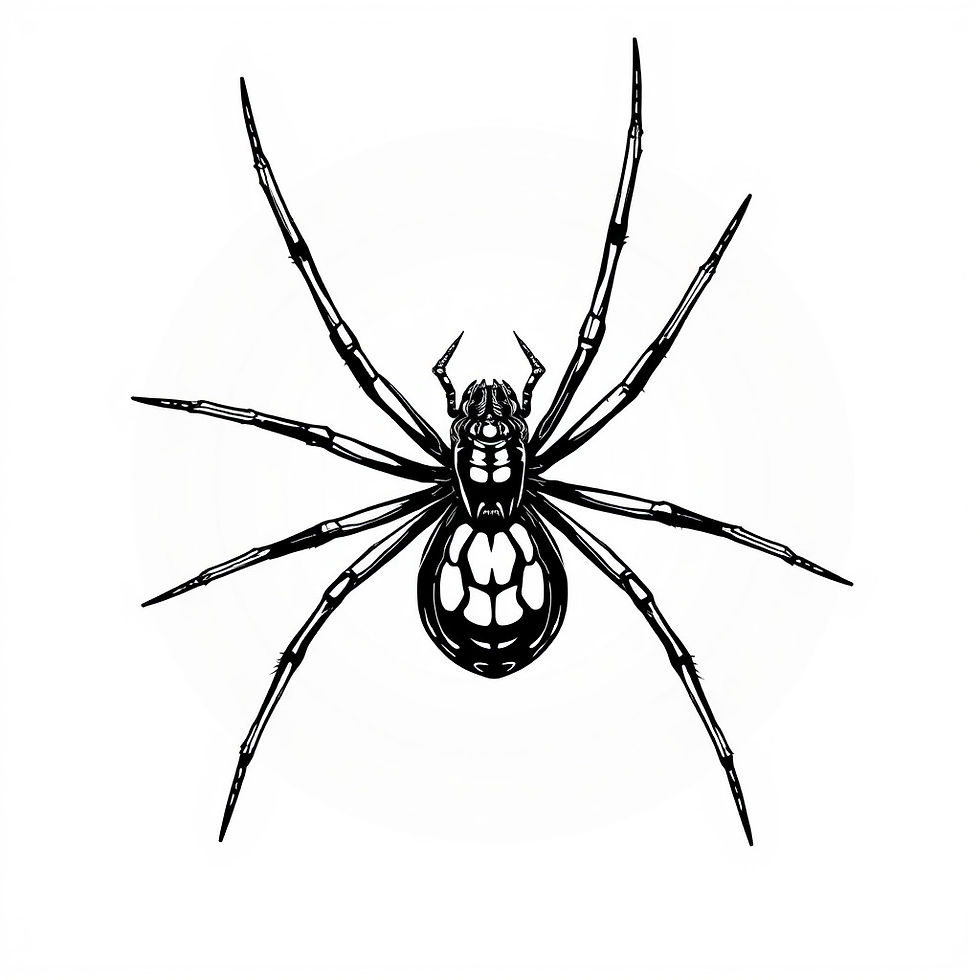
Identification: Shiny black, bulbous bodies with a vivid, red-orange hourglass mark on the underside of the abdomen.
Behavior and Signs: Spin messy, unorganized, highly durable webs in dark, undisturbed areas like water meter boxes and crawlspaces.
Risk Factor: Medically significant; venom causes severe muscle cramps, pain, and nausea requiring medical attention.
Resource: Washington State Department of Health: Black Widow Spiders


Comments